
The Rare Breed Trigger: The Forced Reset Secret That Changes Everything
What if your rifle could deliver the controlled speed of a full-auto platform without sacrificing precision? The rare breed trigger is a forced-reset trigger system that cycles the hammer immediately after each shot, allowing the shooter to maintain a high rate of fire while keeping the trigger finger in a fixed, stationary position. Because it harnesses the firearm’s recoil and bolt movement to reset the sear, it eliminates the need for a traditional manual reset, and with proper technique—holding the trigger rearward and letting the bolt do the work—you achieve consistent, rapid follow-up shots. This design offers a distinct advantage in competitive or tactical scenarios, where sustained cyclic control translates directly to faster target engagement.
What Exactly Is a Rare Breed Trigger and How Does It Differ From Stock?
A rare breed trigger isn’t a specific brand, but rather a category of aftermarket triggers engineered to minimize perceived weight and travel. Unlike a stock trigger—which often uses heavy springs and multiple sear surfaces for legal and reliability margins—a rare breed style uses a curved, segmented shoe and a mechanism that drops the hammer with less physical resistance. The key difference is feel: stock units tend to have a gritty, stacking pull, while these triggers break like a glass rod. You’re not reducing actual poundage dramatically; you’re changing the geometry so the sear releases with a shorter, cleaner motion. However, that crispness often requires a specific bolt carrier profile to function safely. Installation involves swapping the entire trigger pack, not just the shoe, and they’re picky about hammer follow with lightweight carriers.
Breaking Down the Core Mechanics of the Drop-In Design
The drop-in design of the Rare Breed trigger centers on a self-contained cassette that houses the sear, hammer, and disconnect components within a single CNC-machined housing. Unlike standard triggers that rely on the lower receiver’s pin holes and internal geometry for timing, this cassette uses precision-machined internal channels to align components independently. The trigger’s forced-reset mechanism uses a spring-loaded cam that physically pushes the trigger shoe forward after each shot, eliminating the need for a conventional trigger-disconnect engagement with the hammer. This mechanical interaction occurs entirely within the cassette, so installation requires no filing, polishing, or tuning of receiver parts. The unit’s pins are captive, preventing loss during removal, and the reset travel is controlled by that internal cam’s rotation angle.
The drop-in design isolates all firing and reset mechanics within a sealed cassette, enabling consistent forced-reset operation without receiver modification.

Comparing Trigger Pull Weight and Reset Characteristics Side by Side
When you pit a rare breed trigger against a stock trigger side by side, the pull weight difference hits you immediately—the stock unit usually breaks around 5–6 pounds, while the rare breed sits closer to 3.5 pounds, feeling crisper and lighter under your finger. But the real contrast shows up in reset. A stock AR trigger often has a long, mushy reset that forces you to release the trigger almost fully before it clicks. The rare breed’s reset is incredibly short and tactile, letting you feel that distinct “click” right at the point of re-engagement. That short reset makes rapid follow-up shots feel almost automatic, whereas the stock trigger demands deliberate finger travel. **Comparing trigger pull weight and reset characteristics side by side** reveals how much these two metrics shape your shooting rhythm, especially rare breed mp5 trigger at speed.
Understanding the Material Composition and Durability Factor
The Rare Breed trigger’s durability hinges on its high-strength steel and heat-treated internal components, which resist wear far better than standard stamped or polymer triggers. The sear and trip lever are machined from billet stock, ensuring precise geometry that maintains consistent reset speed over thousands of rounds. Unlike stock triggers with soft pins or cast parts, the Rare Breed uses hardened roll pins and a reinforced housing to prevent flex under rapid fire. This material choice directly reduces friction points, minimizing carbon buildup failures. For longevity, keep the contact surfaces lightly lubricated and avoid abrasive solvents. The result is a trigger that retains its crisp break and fast reset without the slop or fatigue common in factory units.
- Heat-treated steel components resist peening and deformation from high-volume shooting.
- Machined billet sear maintains consistent engagement, preventing trigger creep over time.
- Hardened roll pins eliminate wallowing in the receiver holes, preserving trigger alignment.
- Reinforced housing prevents flex that can cause misfires or inconsistent reset.
Key Features That Make the Rare Breed Trigger Stand Out for Shooters
The Rare Breed trigger stands out primarily for its forced-reset design, which delivers a fast, controlled firing cycle without the weight or complexity of binary systems. Its straight, flat-faced shoe provides a consistent, repeatable finger placement, while the internal sear geometry minimizes over-travel and creep for a crisp, tactile break. The FRT’s short, aggressive reset pushes the trigger forward automatically, letting shooters maintain a stable grip and firing position for rapid follow-up shots. This mechanism also allows for intuitive, semi-automatic-style control—stop applying pressure and the trigger resets only after the bolt cycles, giving the shooter precise command over each round. Built from hardened steel components, the unit installs directly into standard AR-15 lower receivers with minimal modification, and its robust construction ensures reliable function across varied ammunition and upper configurations. For shooters seeking a dramatic edge in speed and trigger response, these key features make the Rare Breed trigger stand out as a top-tier performance upgrade.
How the Forced Reset Technology Works in Practical Use
In practical use, the Rare Breed trigger’s forced reset technology works by using the bolt carrier’s rearward motion to physically push the trigger forward into its reset position before the shooter’s finger fully returns. This mechanical linkage collapses the standard pause between shots, allowing the hammer to fall again almost instantly. As the bolt cycles forward, the trigger remains engaged with the sear, and the shooter only needs to maintain steady pressure while the forced reset mechanism drives the trigger face against the finger. The result is a fast, repeatable firing cycle without needing to time a manual trigger release or master a specific finger rhythm—the action does the reset work for you. In practice, this translates to short, controlled bursts where accuracy depends on managing recoil, not on trigger timing.
Adjustability Options: Tuning the Take-Up and Overtravel to Your Grip
The Rare Breed trigger’s standout adjustability options let you dial in take-up and overtravel precisely, transforming how the break feels against your finger. By tightening the take-up screw, you eliminate slack before the wall, shortening the pull for a crisper, more immediate reset. Conversely, backing it out adds a deliberate creep if you prefer a staged press. Overtravel adjustment is equally vital—setting the stop screw just past the sear release prevents the shoe from slamming forward, which preserves muzzle control during rapid fire. *The real mastery lies in micro-adjusting both screws in tandem, as over-tightening one can inadvertently affect the other’s travel range.* Once tuned to your hand size and trigger finger placement, the Rare Breed delivers a consistent, repeatable break that feels almost custom-molded to your grip.
Compatibility with Popular Platforms and What You Need to Know Before Fitting
The Rare Breed trigger is engineered for AR-15 and AR-10 platforms, but fitment isn’t universal across all lowers. Most mil-spec lower receivers accept it without issue, yet some billet or ambidextrous designs feature tighter trigger pockets or non-standard pin sizes that require modification. Before fitting, you must verify your lower’s pin dimensions, as some use oversized pins needing conversion bushings. Also, check your bolt carrier group’s geometry—a standard mil-spec BCG is essential, while some enhanced or lightweight carriers can disrupt the trigger’s reset travel. Finally, ensure your lower’s trigger guard doesn’t obstruct the curved shoe’s travel during rapid firing. Pre-installation compatibility checks are critical to avoid a frustrating fitment, as the trigger’s aggressive binary-like function demands precise alignment to cycle correctly.
Do I need a specific hammer or spring set for Rare Breed compatibility? No, the Rare Breed includes its own hammer and springs, that are designed to work with mil-spec BCGs, but you must replace any aftermarket trigger components to avoid spring interference.
Step-by-Step Installation Guide for First-Time Users
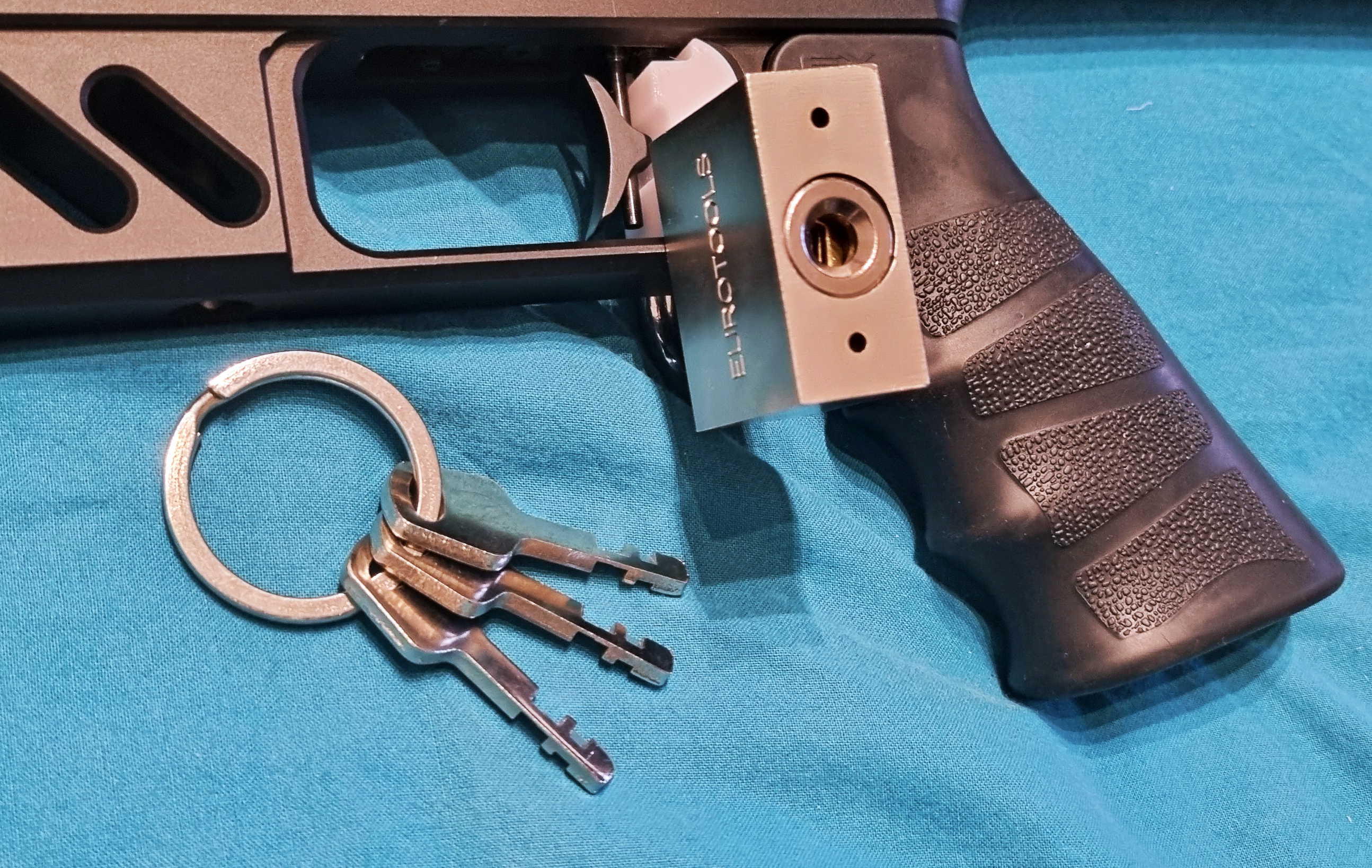
Begin by clearing your workbench and confirming the rare breed trigger’s housing is free of debris, as a clean start prevents misalignment. First, remove your firearm’s factory trigger group per its manual, then set the rare breed’s cassette into the lower receiver—ensuring the pins slide through without force, which indicates proper seating. Next, install the included hammer and trigger springs in the exact order shown in the diagram, as reversing them is the most common first-timer error. After securing the retaining pins, function-check by cycling the action slowly: the trigger should reset with an audible click, but do not dry-fire until you’ve verified the safety engages and disengages smoothly. Finally, torque all screws to spec with a wrench—not a driver—and test the reset again. Follow the sequence exactly; skipping the pin alignment step will cause binding. Trust the click—if the reset feels spongy, disassemble and start over rather than forcing it.
Tools You’ll Need and How to Prepare Your Lower Receiver Safely
Before beginning, gather a bench block, roll pin punch set, a hammer, and a vise to secure the lower receiver. Use the correct size punch to avoid damaging the trigger pin holes. First, clear the receiver of any debris and verify it is completely unloaded. Place the lower in the vise with the block supporting the trigger pocket to prevent flexing. Wear safety glasses to shield against metal fragments. Double-check that the safety selector is in the fire position for easier pin insertion. Finally, apply a light coat of lubricant to the pin holes to ease the Rare Breed trigger’s installation without marring the receiver’s finish.
Aligning the Trigger Components Correctly to Avoid Malfunctions
When installing your rare breed trigger, **aligning the trigger components correctly** is the difference between a crisp reset and a jammed lower. Start by seating the hammer and trigger pins so they slide through the receiver holes *without* forcing—if they bind, you’ve misaligned the cassette. Check that the disconnecter sits flush against the hammer’s rear ledge before tightening the set screws; a tilted disconnecter causes hammer follow or dead triggers. Finally, verify the trigger shoe’s travel stops evenly against the receiver’s walls, not rubbing one side. A quick dry-fire test with the upper off confirms everything syncs before you reassemble.
Common Installation Mistakes and How to Troubleshoot Them Immediately
The most frequent error is forcing the hammer strut into the trigger housing groove, which bends the strut and causes a dead trigger. Immediately remove the trigger assembly and verify the strut sits flush against the sear cup before reinserting. A misaligned trigger bar spring—often installed upside down—creates a gritty, non-resetting pull; fix this by repositioning the spring legs under the receiver’s guide rails. If the trigger pin walks out during a dry-fire test, you did not fully seat the retaining plate; tap it flush with a punch. Diagnose a non-reset trigger by checking the disconnector spring orientation first, as it is the #1 cause. Replacing the trigger with the safety selector in the “fire” position avoids binding the hammer’s half-cock notch.
Check strut alignment, spring orientation, and pin seating before firing; a reset failure almost always traces to the disconnector spring.
Mastering the Shooting Technique: How to Get Consistent Fast Follow-Up Shots
Mastering consistent fast follow-up shots with a rare breed trigger demands a deliberate departure from standard trigger discipline. Instead of a full reset, you must learn to ride the trigger’s reset point, releasing it only a fraction of an inch until you feel the audible or tactile click, then immediately pressing again. Your grip must be rigid and symmetrical, with equal pressure from both hands, to prevent the muzzle from dipping between shots; any wrist flex will break your sight alignment. Use a high thumb-forward grip to lock the wrist and manage the rapid cyclic rate, allowing the gun’s natural recoil to return to zero rather than fighting it. Focus on a constant, rhythmic press rather than a rapid, jerky motion, as the rare breed’s speed rewards smooth inputs. Practice dry-fire trigger control in short bursts to build muscle memory for that minimal reset travel. What feels fast initially is often just sloppy, so prioritize clean resets over raw speed, letting the trigger’s inherent speed emerge only after your finger movement becomes perfectly economical.
Proper Finger Placement and Grip Pressure for Optimal Reset Activation
For the rare breed trigger, reset activation hinges on a rigid, high-thumb grip that locks the wrist and eliminates lateral torque. Place the pad of your index finger precisely at the trigger’s center—too high or low causes drag against the frame, slowing the reset cycle. Apply only enough grip pressure to stabilize the firearm (roughly 60–70% of your maximum), because death-gripping induces micro-tremors that disrupt the sear trip. During the reset phase, keep the finger in constant contact with the trigger face, but relax forward pressure completely until you feel the tactile click. Do not lift the finger; instead, let the trigger’s spring push it forward naturally.
- Align the finger pad’s center with the trigger axis.
- Maintain 60–70% grip crush, squeezing with the support hand’s heel.
- Release pressure only after the reset click—never before.
Dry Fire Drills to Build Muscle Memory Without Live Ammunition
Dry fire drills transform your trigger finger’s timing without burning a single round. With a rare breed trigger, the reset is so short that you can rehearse the exact micro-movement needed to keep your follow-up shots flat and fast. Start by clearing your firearm, then focus on a blank wall. Press the trigger, hold it back, and slowly release until you hear the click of reset—this is your starting line. Repeat that sequence, increasing speed only when your finger stays perfectly still during the reset. Add a timer: aim at a small dot, fire five dry shots while tracking your split times. The muscle memory you build here—pre-travel, wall, break, and reset—transfers directly to live fire.
- Confirm empty chamber and magazine, then point in a safe direction.
- Press the trigger fully, hold, and release just past the reset click.
- Repeat 20 times slowly, then 20 times with a cadence of one shot per second.

Understanding Trigger Dynamics During Rapid Fire vs. Slow Precision Shots
With a rare breed trigger, the dynamics shift dramatically between slow precision and rapid fire because the reset arc and sear engagement behave differently under each cadence. During slow, deliberate shots, you can feel the crisp break and ride the reset with millimeter-level control, but during rapid fire, you must abandon that tactile patience and instead rely on the trigger’s aggressive, forced-reset motion to slam your finger forward. The crucial distinction is that a slow shot rewards a gradual, staged pull, while a follow-up shot demands you let the rare breed trigger’s rebound drive your finger, not your muscles. This creates a split-second sear re-engagement window that, once understood, prevents short-stroking and ensures every rapid shot breaks identically to your slow ones. Master that timing shift, and your cadence becomes mechanically locked to the trigger’s cycle, not your own hesitation.
Frequently Asked User Questions and Practical Maintenance Advice
Owners frequently ask whether the rare breed trigger requires special lubrication; frt-mr3 use a light grease on the sear engagement points, not oil, to prevent carbon buildup. A common practical maintenance question is how often to replace the trigger return spring—inspect it every 2,000 rounds for set creep, and replace it preemptively if you notice a mushy reset. For cleaning, avoid submerging the entire unit; instead, use a compressed air blast and a nylon brush to clear debris from the hammer notch. If the trigger pull weight increases unexpectedly, check for grit in the adjustment screw threads, which is the most frequent cause of malfunction. Always verify the hammer follows the bolt correctly after reassembly, as misalignment is the top user-reported issue.
Will the Trigger Work with a Standard Hammer and Bolt Carrier Group?
Yes, the Rare Breed trigger is engineered fn p90 frt to function with a **standard hammer and bolt carrier group** (BCG), provided the components are within mil-spec tolerances. The trigger’s patented FRT (forced reset) mechanism relies on the BCG’s forward momentum to reset the hammer, not on any proprietary carrier geometry. However, an oversized hammer pivot pin or an out-of-spec BCG cam pin path can cause intermittent reset failures. For optimal performance, ensure your buffer weight and spring are factory-standard, as excessive carrier bounce will disrupt the trigger’s reset cycle.
- Use a mil-spec BCG with a standard profile cam pin; avoid lightweight carriers with altered mass distribution.
- Verify the hammer’s engagement surface is flat and free of burrs to prevent drag on the Rare Breed’s sear.
- Test with a standard carbine rarebreed frt buffer (H1 or H2) to confirm the trigger fully resets on each shot.
How to Keep the Trigger Clean and Lubricated for Reliable Performance
For consistent function, disassemble the trigger group every 500–800 rounds to remove carbon fouling from the sear surfaces and engagement ledge, using a solvent-soaked nylon brush rather than metal tools to avoid altering the factory geometry. After cleaning, allow the parts to dry completely before applying a thin coat of high-viscosity firearm grease to the trigger’s cam track and sliding contact points, but keep the sear face bone-dry—lubricant here attracts powder residue and can change the reset feel. Reassemble and perform a function check with snap caps, then cycle the action manually twenty times to distribute the lubricant evenly. Avoid oil-based sprays, as they migrate into the firing pin channel and cause mp5 frt trigger light strikes.
Signs That Your Trigger Needs Spring Replacement or Professional Attention
Your Rare Breed trigger’s spring rare breed super safety is the heartbeat of its forced-reset cycle, so watch for a sudden drop in reset crispness—if the shoe feels mushy, stalls mid-cycle, or fails to slam forward with that signature snap, the spring is fatiguing. A trigger that occasionally doubles when it shouldn’t, or requires harder finger pressure to re-engage, points to coil distortion or set. Also, listen for a faint metallic “zing” after firing—that’s a stressed spring vibrating. If you notice inconsistent shot timing or the hammer following the bolt carrier sluggishly, don’t keep shooting; a cracked spring can fragment and jam your fire-control group. When cycle speed becomes erratic or the trigger grows gritty, replace the spring immediately—never oil it, as lubrication attracts carbon and masks wear. If the issue persists after a new spring, seek a gunsmith familiar with forced-reset designs.
