
Here are a few options:
– Score Cheap Ammo Without Sacrificing Quality
– Where to Find Discount Ammo That Actually Holds Up
– Stop Overpaying for Bullets — Grab Discount Ammo Here
– How I Stock Up on Discount Ammo Without Breaking the Bank
– The Best Spots for Discount Ammo That Won’t Let You Down
Discount ammo is simply the same reliable factory-new or once-fired 9.3x62mm Mauser Ammo for Sale ammunition you already trust, offered at a lower price by cutting out middlemen and buying in bulk. It’s an easy way to stretch your shooting budget without sacrificing quality, letting you spend more time at the range or stock up for peace of mind. You can find it by comparing prices per round across trusted retailers, or by opting for larger quantity packs. If you’re on a tight budget, discount ammo is your practical, no-compromise solution for keeping your firearm fed.
What Exactly Counts as Affordable Ammunition and Why It’s Cheaper
Affordable ammunition typically means rounds priced at or below $0.50 per cartridge for common calibers like 9mm or .223, often hitting $0.25–$0.35. **Discount ammo** achieves this by using brass cases that are once-fired or remanufactured, copper-jacketed bullets with slightly wider tolerances, and powder loads that meet minimum velocity standards rather than premium match accuracy. Cheaper primers and bulk packaging reduce overhead, while manufacturers skip polished crimps or nickel plating. The lower cost also comes from high-volume production runs of standard bullet weights (115gr, 55gr) that use less expensive lead-core design, not monolithic or bonded projectiles. For range practice, this is fine; the trade-off is occasional soot buildup or slightly wider shot groups, but function and reliability remain consistent. Why it’s cheaper is simply less stringent quality control on cosmetic finish, not on safety or chamber pressure. You pay less because you give up precision, not performance.
Understanding the Price Gap: New Production vs. Overruns vs. Remanufactured Rounds
The price gap between ammunition types comes down to labor and material sourcing. New production rounds require virgin brass, fresh primers, and full manufacturing overhead, making them the most expensive. Overruns are contract leftovers—same factory quality, but sold in bulk to clear inventory, slashing packaging and logistics costs. Remanufactured rounds save money by reusing once-fired brass and automated reloading processes, though they demand careful inspection for safety. You pay a premium for guaranteed consistency in new ammo, a mid-tier price for factory-direct overruns, and the lowest cost for remanufactured, accepting minor cosmetic flaws or slightly higher variability in exchange for savings.
New ammo funds full production; overruns discount excess factory output; remanufactured cuts cost via recycled components—each tier trades a bit of certainty 9mm Ammo for Sale for a lower price.
How Bulk Buying and Plain Packaging Lower Your Cost Per Round Without Sacrificing Performance
Buying in bulk cuts the per-round price because manufacturers save on shipping, packaging, and handling—savings they pass to you. Plain packaging, like a simple cardboard box instead of a flashy tray, strips away cosmetic costs that add zero velocity or accuracy. That means discount ammo performance stays identical to premium boxes; a bullet doesn’t care about its wrapper. You’re paying for brass, powder, primer, and lead—not marketing. A 500-round case of budget-friendly rounds often runs 15–20% cheaper than four 50-round boxes, yet the ballistic results are the same at the range. Skip the pretty packaging and stock up; your wallet benefits without your groups suffering.
Bulk buying and plain packaging reduce cost per round by eliminating non-functional extras, preserving full performance for less cash.
The Real Difference Between “Budget” and “Low-Quality” Loads
Budget ammunition is defined by cost-cutting in packaging, marketing, or bulk purchasing, but it maintains safe, consistent pressure and reliable ignition. Low-quality loads, by contrast, cut corners in primer sensitivity, case wall thickness, or powder charge uniformity, which leads to velocity swings and occasional squibs. A budget load might use a plain lead bullet, 7mm Rem Ultra Mag Ammo for Sale while a low-quality load uses undersized bullets that keyhole or tumble. Budget rounds still pass basic accuracy standards at 25 yards; low-quality rounds cannot hold a consistent group even at 10 yards. The real test is function: budget ammo cycles every firearm it’s advertised for, whereas low-quality loads fail in at least one common platform. You can safely train with budget; you must inspect and separate low-quality batches.
How to Vet a Bargain Box Before You Hand Over Your Card
Before you swipe for that discount ammo, pop the box and inspect each round like it owes you money. Check for corroded brass, loose primers, or deep-set seating—any of these scream “misfire waiting to happen.” Shake the box; if you hear rattling, the bullets may have walked out of the case, which is a hard pass. Squeeze the cardboard (if used) for dampness, as moisture ruins powder even if the factory seal looks intact. Look for a lot number stamped on the flap—if it’s missing or smudged, provenance is suspect. And always ask the 7mm Rem Mag Ammo for Sale counter guy: *“Can I return half the box if I catch a squib on the first mag?”* Their answer tells you everything about their confidence in the stock. Your cheapest round isn’t the sticker price—it’s the one that jams your slide at the worst moment. If the price is 20% below average, assume they know why.
Reading Headstamps and Lot Numbers: What They Tell You About the Deal
The headstamp on each casing is your first hard fact, revealing the manufacturer, caliber, and often the year of production. A mismatched mix of brands in a bargain box signals it’s been cobbled together from loose odd lots, which can indicate inconsistent performance. The lot number, usually printed on the box or ammo can, is your key to traceability; if the seller can’t provide one, you’re blind to recall history or QC failures. Matching lot numbers across a full case, however, often means uniform pressure and accuracy, making it a better deal than a chaotic assortment. Always check for cracked primers or corroded bases, as these details override any price advantage. Reading headstamps before paying lets you reject unstable surplus or reloaded rounds disguised as factory new, turning a gamble into a calculated buy.
Recognizing Signs of Corrosion, Dents, or Poor Seating in Cheap Cartridges
Before you finalize a discount ammo purchase, inspect each cartridge under bright light. **Recognizing signs of corrosion, dents, or poor seating in cheap cartridges** begins with a visual scan for green or white powdery deposits around the primer and case mouth, which indicate active oxidation that can cause misfires. Run your thumb along the case wall; a smooth surface is mandatory, while any sharp indentation or flattened spot risks chambering failures or case rupture on ignition. Poor seating is detectable by wiggling the bullet—if it moves with light finger pressure, setback will occur during feeding, spiking pressure. Check the primer: it must sit flush or slightly recessed, never protruding. Reject any box with even one compromised round, as manufacturing consistency in bargain lots is already suspect.
Can dents be safely fired if they look minor? No—any dent in the shoulder or neck compromises case integrity, and cheap brass often lacks the ductility to accommodate stress; discard those rounds immediately.
Why Checking Online Reviews for Misfires and Accuracy Matters at This Price Point
At bargain-bin prices, the margin for error narrows, making misfire and accuracy reviews your primary risk filter. A cheap round that fails to seat or ignite costs you more than money—it costs range time and potentially damages your firearm’s extractor. Online user reports reveal consistent lot-specific issues: a brand may cycle flawlessly in one grain weight but keyhole in another. Since discount ammo often lacks factory quality control, patterns across dozens of reviews expose the difference between a usable training round and a jam-prone liability. Before entering your card details, cross-reference at least three recent threads on the exact SKU, noting whether failures occur randomly or cluster. That research translates directly into shots that land where you aim, not just savings on paper.
Where to Source Low-Cost Rounds for Range Days and Stockpiling
For range days when you just want reps, I stop by big-box sporting goods stores like Bass Pro or Cabela’s, checking their bargain bins for discount ammo—usually remanufactured or overrun lots that sell for 20–30% less than retail. For stockpiling, I skip local shops and hit online bulk retailers like Target Sports USA or Bereli, where free shipping kicks in on case orders (500–1,000 rounds). I also watch pawn shops and gun show last-hour deals, where sellers slash prices to avoid hauling stock home. Never ignore membership clubs—Sportsman’s Warehouse rewards points turn into low-cost rounds on future trips, and I always compare per-round cost after shipping, not sticker price. For steady supply, I rotate between two online sellers, catching holiday sales for bulk ammo while keeping a reloading .50 Cal Ammo for Sale buddy’s once-fired brass as a backup barter option.
Comparing Direct-From-Manufacturer Sales vs. Online Clearance Racks
When weighing direct-from-manufacturer sales vs. online clearance racks, the core difference lies in timing and selection. Buying directly from the maker typically locks in a flat per-case price, often with free shipping thresholds, but you must wait for a scheduled sale window and accept whatever calibers they overproduced. Clearance racks, by contrast, offer immediate, unpredictable markdowns on odd lot quantities, meaning you can grab mixed brands or discontinued box counts at a steeper per-round cut. For stockpiling, direct sales reward bulk predictability; for filling a range bag cheaply, clearance racks beat them on speed. Your best move is checking both weekly, using manufacturer alerts for planned deals, and scanning clearance lists nightly for sudden price drops.
When to Buy in Bulk Quantities (500, 1000, or 5000 Rounds) for Maximum Savings
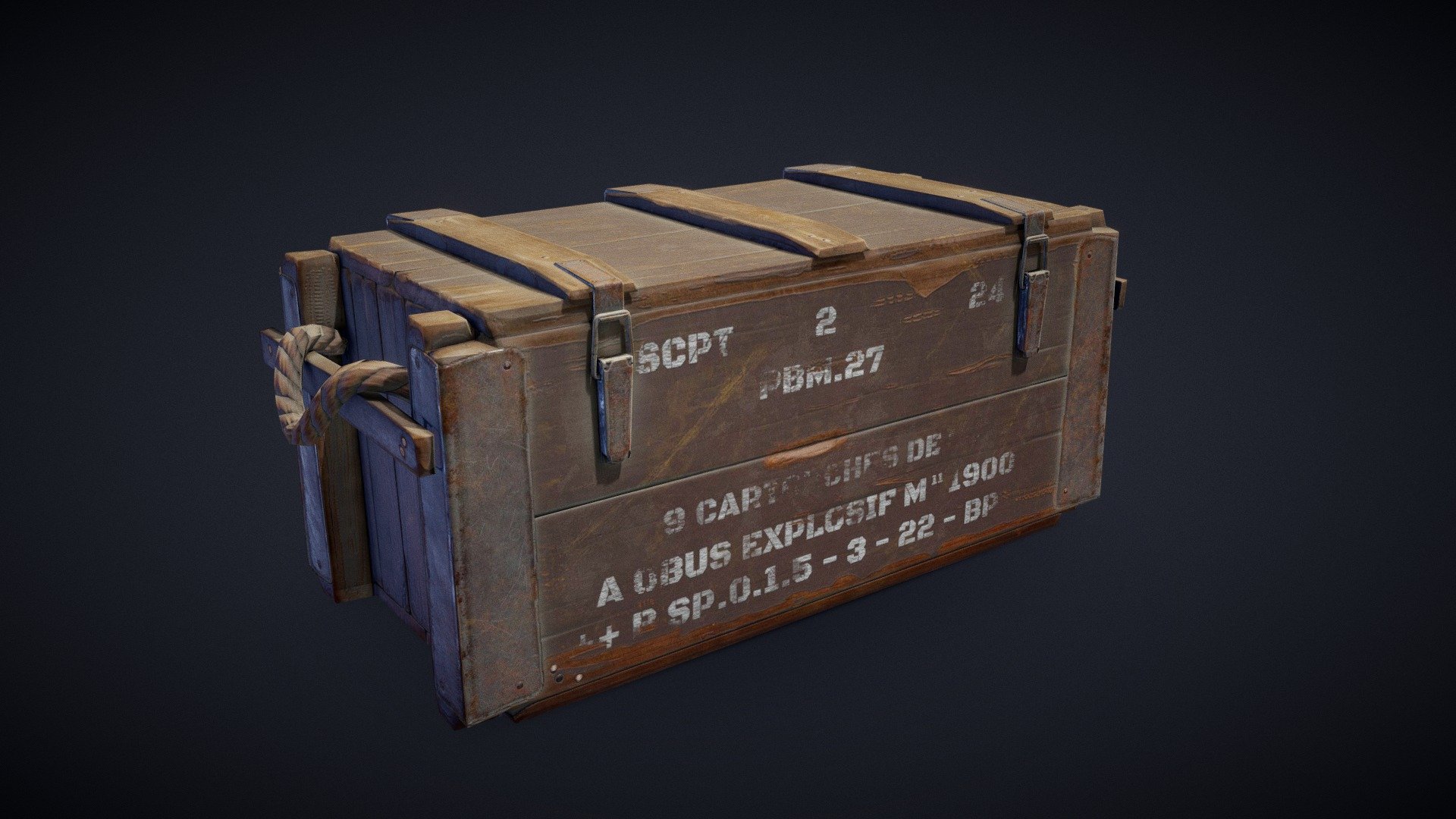
To maximize savings, buy 500 rounds when testing a new firearm or load; the per-round drop over 100-round boxes justifies the outlay. Commit to 1,000 rounds during post-holiday sales or pre-election 9×18 Makarov Ammo for Sale lulls, when free-shipping thresholds often cover the heavier crate. Reserve 5,000-round purchases for a confirmed caliber you shoot monthly, ideally during a manufacturer’s rebate window—this tier unlocks the steepest cost-per-round, typically 15–25% below 500-round pricing. Avoid 5,000-unit buys for newly acquired guns or during price spikes, as your capital ties up while market dips occur. Always verify that bulk pricing beats two 500-round orders after tax and shipping before clicking checkout.
Using Ammo Subscription Services to Lock in a Steady Low Price
Subscription programs from major retailers effectively convert volatile ammo pricing into a predictable monthly outlay, functioning as a hedge against sudden spikes. By committing to a recurring delivery—often at a per-case rate marginally above wholesale—you secure locked-in ammo pricing that insulates your stockpile 6mm Remington Ammo for Sale cost basis from retail fluctuations. This model works best when you calculate your average monthly range consumption beforehand, then set the subscription to match that exact volume, avoiding overcommitment. Since per-round prices typically drop modestly with higher subscription tiers, choosing the largest practical box count maximizes your savings. Cancel or pause anytime, so you are never trapped if you find a cheaper one-off deal elsewhere in the same month.
- Compare per-round cost across specialty sports and supply subscription tiers—higher volume almost always lowers your effective price.
- Time subscription deliveries to coincide with your scheduled range days, reducing separate shipping fees.
- Use the auto-ship cadence to build a rotating stockpile, replacing fired rounds monthly without bulk-cash crunch.
Practical Tips to Stretch Your Shooting Budget Further
To stretch your shooting budget with discount ammo, buy in bulk during sales, as per-round prices drop significantly at case quantities. Focus on ballistic consistency over brand loyalty, since budget-friendly loads from major manufacturers often share the same projectiles as premium lines. Rotate your stock by shooting the oldest boxes first, preventing corrosion and ensuring you never waste money on degraded rounds. Grouping discount ammo purchases around seasonal rebate offers can effectively stack savings, but only if you verify the rebate form’s fine print for expiration dates. For practice, run a few discount rounds through your firearm to confirm reliable feeding before committing to a large order, then reserve your expensive defensive ammo strictly for zeroing and carry. Finally, track your cost-per-round in a simple spreadsheet to avoid impulse buys that exceed your average discount rate.
Choosing the Right Caliber and Grain Weight for Plinking vs. Self-Defense
For plinking, prioritize the cheapest caliber you shoot accurately—often 9mm or .22 LR—and stick to **lower grain weights like 115gr**, which reduce cost and recoil while maximizing trigger time. For self-defense, step up to a heavier grain, such as 124gr or 147gr in 9mm, 9.3x72R Ammo for Sale because deeper penetration and controlled expansion matter more than saving pennies. Buying discount ammo in bulk lets you train with the same grain you carry, but if budget forces a split, practice with light loads and fire a small box of defensive rounds monthly to confirm reliability. Ignore exotic calibers; they kill your wallet and offer no practical benefit.
Q: Should I match my plinking grain weight to my self-defense load?
A: Ideally yes, but if you must choose, train regularly with the cheap grain and reserve your budget for a few boxes of your defensive load—just verify your gun cycles them without malfunctions.
Mixing Discounted Practice Rounds with a Few Premium Rounds for Reliability Checks
When stretching your budget with discount ammo, dedicate the bulk of your range session to inexpensive practice rounds, but intersperse a few premium cartridges at regular intervals—such as every 20 rounds—to serve as a reliability checkpoint. This method isolates whether malfunctions stem from the cheap batch or the firearm’s mechanics: if the premium rounds run flawlessly while the discount rounds hiccup, the issue is ammo-specific. Conversely, if both fail identically, you’ve detected a gun problem early, saving costly repairs later. Always test the exact premium load you intend to carry or compete with, verifying point-of-impact consistency against the practice rounds.
Mixing discounted practice rounds with a few premium rounds per session verifies both budget reliability and defensive carry performance, catching systemic failures before they matter.
Proper Storage Methods to Keep Your Bargain Purchases Fresh for Years
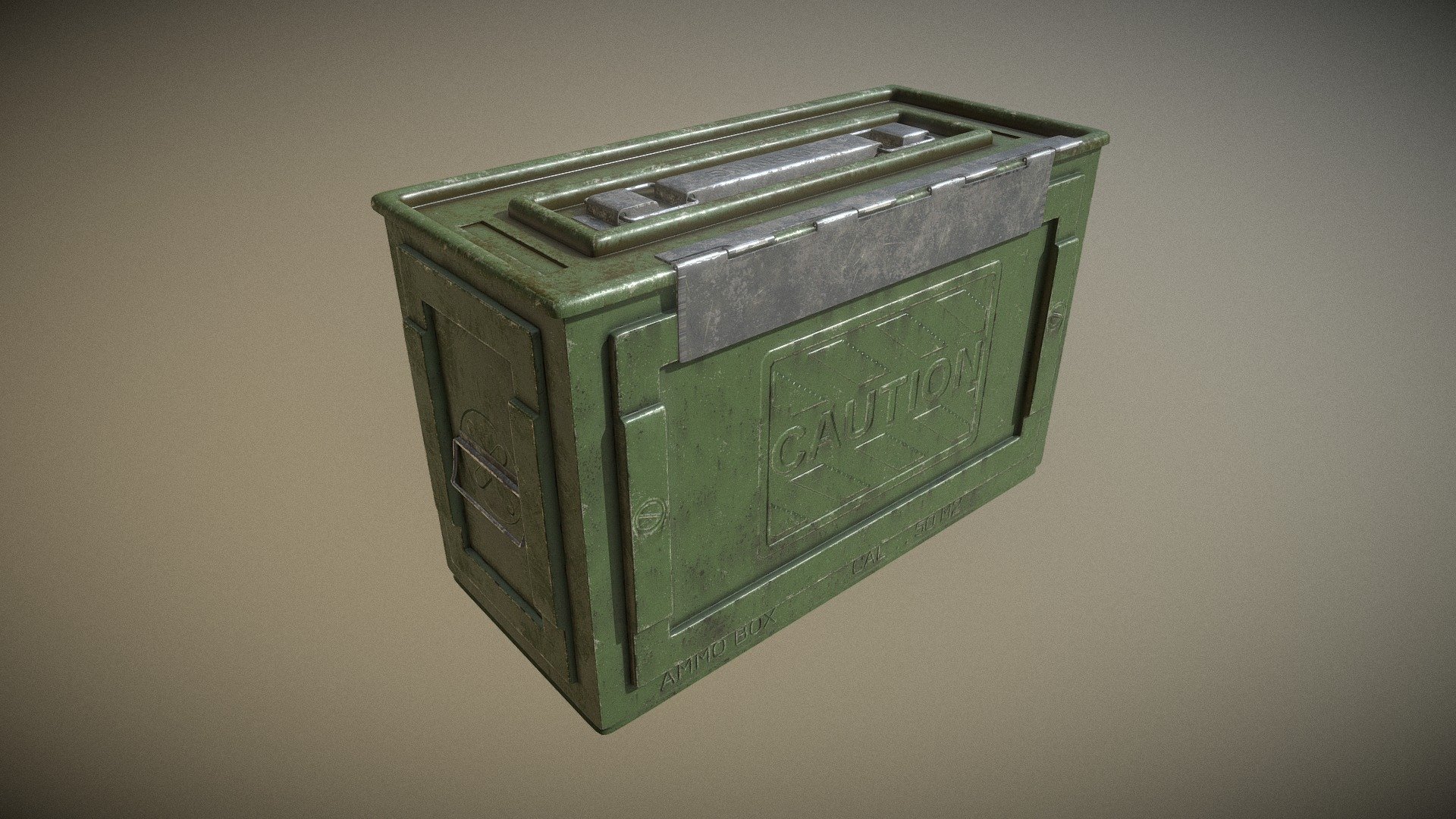
To ensure your discount ammo performs flawlessly decades later, proper storage methods for bargain ammunition begin with a stable, cool environment—ideally below 75°F—and a relative humidity under 50%. Use airtight, military-spec ammo cans with rubber gaskets, adding desiccant packs to eliminate residual moisture. Always store rounds off concrete floors on wooden pallets or metal shelving to prevent condensation wicking. For long-term preservation, rotate your stock annually, shooting the oldest lots first. Avoid storing loose rounds in bulk; keep them in original factory boxes or reloading trays to prevent brass-on-brass abrasion that compromises seals. Inspect every six months for corrosion, green patina on primers, or loose bullets, discarding any compromised cartridges immediately.
Keep bargain ammo in sealed, airtight cans with desiccants, below 75°F and 50% humidity, Ammunition for Sale off floors, and rotate stock yearly to preserve ignition reliability and accuracy for years.
Answers to Common Concerns About Buying Cheap Rounds
The main worry with discount ammo is reliability, but most inexpensive rounds from reputable brands use new brass and consistent powder charges, making failures rare. Another concern is accuracy; while cheap rounds may group slightly wider at long range, they perform fine for plinking, training, or zeroing at typical distances. Corrosive primers are a past issue, not a standard feature of modern budget loads, so routine cleaning suffices. Q: Will cheap rounds damage my firearm? A: No, as long as they meet SAAMI specs, which most discount brands do, pressure stays within safe limits. Finally, expect more muzzle flash or dirtier burn compared to premium loads, but that trade-off is offset by significant cost savings for high-volume shooting.
Is It Safe to Shoot Budget Ammo in a High-End Firearm?
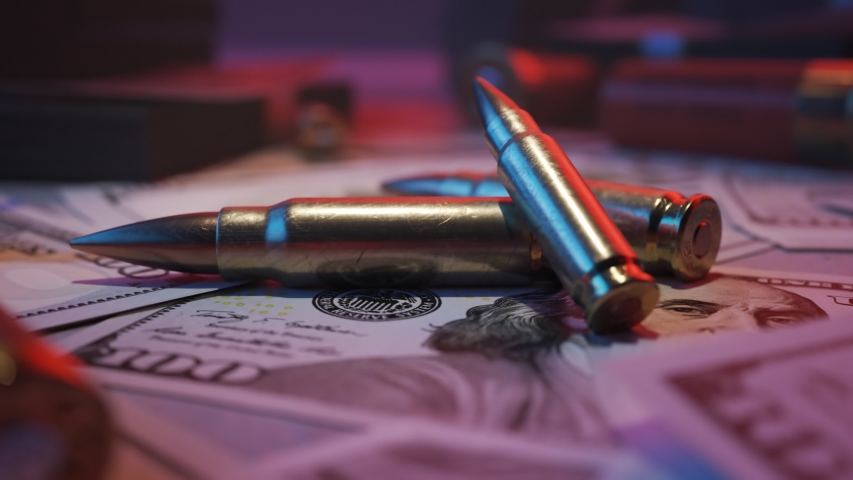
Shooting budget ammo in a high-end firearm is generally safe, provided the rounds meet SAAMI pressure specs and are factory-new. Discounted ammunition from reputable brands won’t damage a premium barrel or action, as modern high-end guns are engineered with generous safety margins. However, avoid reloads or unknown surplus, as inconsistent powder charges can spike pressure. For optimal longevity, stick to low-pressure loads if your firearm has a tight match chamber. It’s the unknown provenance, not the price tag, that creates real risk. If you follow these checks, the savings won’t cost you reliability:
- Verify the box lists a recognized manufacturer and SAAMI certification.
- Inspect a few rounds for visible defects like crimp bulges or loose primers.
- Fire a test group of ten rounds—if accuracy stays consistent and extraction is smooth, the lot is fine.
How Much More Often Will You Clean Your Gun After Using Low-Cost Cartridges?
With bargain ammo, the honest answer is you’ll likely clean your gun **about twice as often** as you would with premium loads. Low-cost cartridges often use dirtier powder and softer primers, leaving more carbon and fouling behind. After a 200-round range session with cheap rounds, expect a noticeable film on your bolt face and chamber—so a quick field strip every 500 rounds instead of every 1,000 is a smart habit. Preventive cleaning after cheap ammo keeps malfunctions at bay without turning it into a chore.
Q: How much more often will you clean your gun after using low-cost cartridges?
A: Plan on cleaning every other trip to the range—roughly twice as frequently—compared to shooting pricier, cleaner-burning ammunition.
Can You Trust Discounted Hollow Points for Carry, or Stick to FMJ Only?
Discounted hollow points for carry demand scrutiny, not blind trust. While FMJ offers zero expansion, a bargain-priced defensive round can suffer from reliable terminal performance issues—think setback, cracked seals, or inconsistent polymer plugs. Test a full box through your gun, checking feed ramp strikes and velocity consistency. If the deal fails on expansion in wet-pack or gel, stick to FMJ for practice and reserve premium hollow points for carry. The real risk isn’t the discount itself, but ignoring how that discount affects point-of-impact shift and barrier penetration. A $12 box that jams at round seven isn’t a carry option—it’s a malfunction drill.
| Factor | Discounted Hollow Points | FMJ Only |
|---|---|---|
| Expansion reliability | Variable—must verify | None (pass-through risk) |
| Feeding under stress | Can fail if QC is lax | Generally flawless |
| Overpenetration risk | Lower if expansion works | High—through walls and bodies |
| Cost per round | Decent, if tested | Cheapest, but tactically poor |
