
The Allure of Risk and Reward
The fundamental appeal of casino games lies in the delicate balance between risk and reward, and many players enjoy exploring options like neosurf australia casino to enhance their gaming experience. They are drawn to the potential for significant payouts that can result from relatively small investments. This idea taps into the human psyche’s love for uncertainty, excitement, and the thrill of potentially changing one’s life with just one roll of the dice or one pull of a slot machine lever. The anticipation that builds during each game heightens emotional engagement, making the experience more exhilarating. For many, the risk becomes an integral part of the allure, enhancing the emotional stakes involved in the activity.
This relationship between risk and reward can also be explained through the psychological concept known as variable reinforcement. In gambling, the unpredictability of rewards creates an addictive feedback loop that keeps players returning. Each win, whether big or small, acts as a reinforcement that urges players to keep playing, despite the inevitable losses. This unpredictable payout system manipulates our brain’s reward pathways, leading to excitement and, at times, compulsive behaviors. The more uncertain the outcome, the more thrilling the experience becomes, making players yearn for that next high.
Moreover, the atmosphere of a casino further amplifies these feelings. Bright lights, vibrant sounds, and the buzz of excitement all enhance the sensory experience, creating an environment where players feel more inclined to take risks. This immersive experience plays a pivotal role in attracting individuals to gamble, as they find themselves enveloped in the thrill of the moment, often leading to irrational decision-making driven by emotion rather than logic. The environment becomes a catalyst that fuels the desire for risk, as players become engulfed in a world designed to heighten their senses and emotions.
The Role of Psychological Triggers
Certain psychological triggers are strategically embedded within casino games to enhance engagement and prolong play. One of the most prominent is the concept of “near misses,” where players almost win but fall short, intensifying the desire to continue playing. This psychological phenomenon suggests that the brain responds more strongly to near wins than to actual wins. Thus, players may rationalize that they are close to winning, encouraging them to spend more time and money in pursuit of that elusive victory. This creates a cycle where the thrill of being “so close” can be more motivating than actually winning.
Another psychological trigger is the use of symbols and themes that evoke strong emotional connections. Games often utilize nostalgia or popular culture references to create familiarity and comfort, making players more likely to engage with the game. The connection between certain images, sounds, and the potential for winning can evoke a sense of belonging and excitement that appeals directly to the emotion-driven side of human psychology. This emotional engagement is crucial; it transforms a simple game into an experience that resonates on a deeper level.
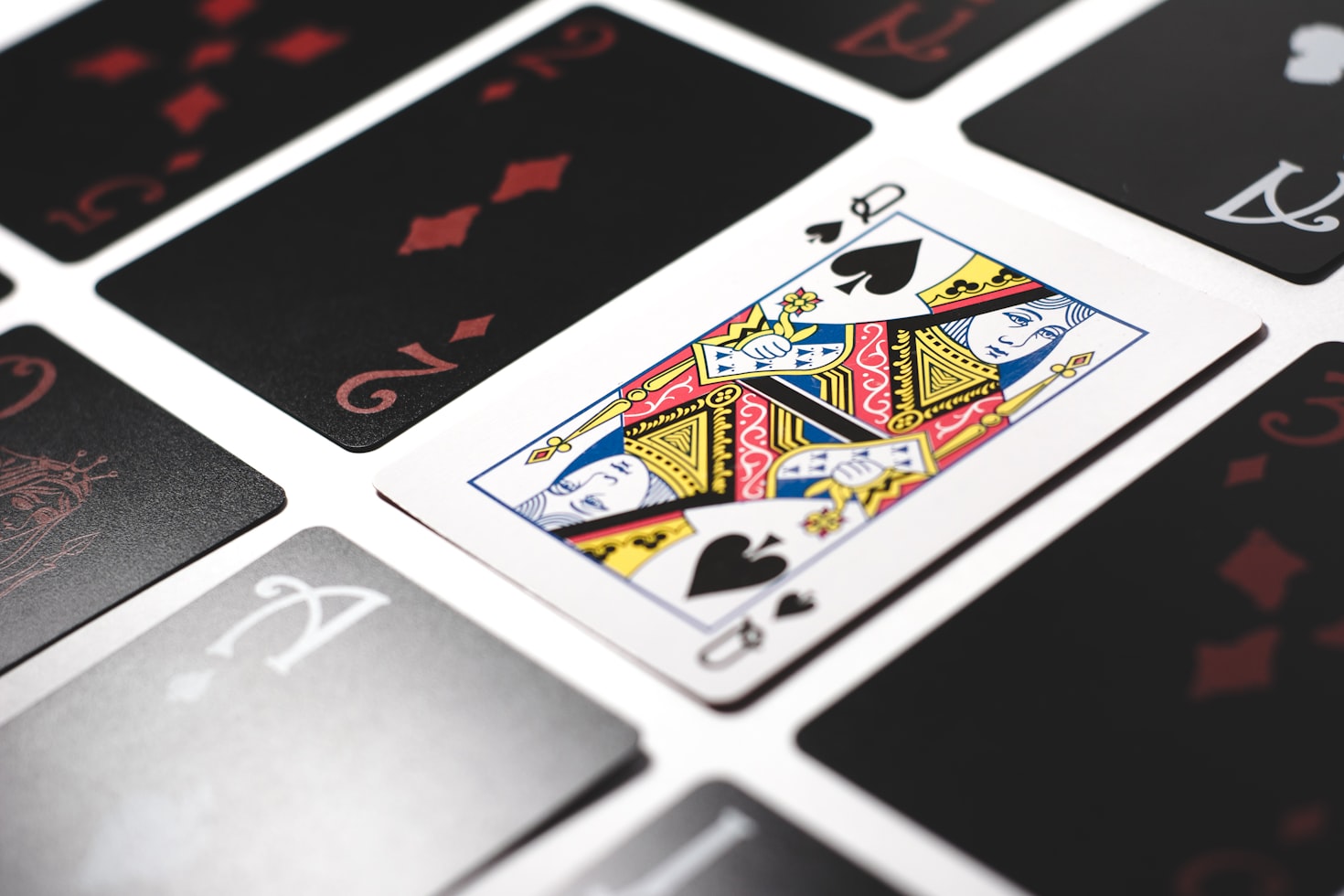
In addition, casinos implement specific designs that enhance cognitive biases, such as the illusion of control. Players may be led to believe that their actions influence outcomes, even in games that are entirely based on chance. This belief can lead individuals to feel more empowered and invested in their gameplay, perpetuating their desire to continue gambling in hopes of further success. Understanding these psychological triggers can help players recognize how easily their emotions can be manipulated, which is vital for making informed decisions while gambling.
The Impact of Social Interaction
The social aspect of gambling plays a significant role in its psychological appeal. Many casino games are designed to be played with others, providing a sense of community and shared experience. This interaction can intensify the thrill of the game, as players cheer for each other’s wins and share in the excitement. The human desire for social connection enhances the overall experience, making players less likely to view gambling solely as a solitary endeavor. The camaraderie formed in these environments can create lasting memories and bonds that enrich the gambling experience.
Social influences also contribute to what is known as the “bandwagon effect,” where the behavior of other players impacts an individual’s choices. Seeing others win can create a sense of urgency and competitiveness, pushing individuals to engage more with the game. Moreover, the presence of friends or fellow gamblers can create a supportive environment, mitigating feelings of guilt or negative consequences associated with gambling. This social reinforcement often leads to an escalation in play, as players may feel encouraged to take risks they would otherwise avoid when alone.
Additionally, many casinos host events and tournaments that foster camaraderie among players, enhancing the social bond and making the experience even more appealing. This social dynamic not only prolongs play but often encourages players to gamble more than they initially intended, driven by the desire to maintain connections and share experiences with others. The interconnectedness of social interactions and gambling behaviors can lead to a cycle where the excitement of shared experiences fuels further engagement and spending.
The Influence of Marketing and Environment
The environment in which gambling takes place is meticulously crafted to influence players’ psychology. From the layout of a casino to the sounds and scents used, every element is designed to heighten engagement and prolong gaming sessions. For instance, casinos often employ ambient noise and the scent of fresh popcorn or baked goods to create a welcoming atmosphere, making it difficult for players to leave. These sensory elements work together to create an immersive experience, encouraging players to lose track of time and their surroundings.

Marketing strategies also play into psychological principles. Promotions, loyalty programs, and free rewards tap into the desire for incentives, creating a sense of urgency to play and explore more games. These tactics are designed not only to attract new players but to retain existing ones by fostering a sense of loyalty and emotional investment in the casino experience. The clever use of branding and promotional materials can create a strong emotional connection that keeps players coming back for more.
Moreover, the importance of branding cannot be overstated. The visual imagery and thematic designs of the games are intended to evoke specific emotions and connections, making players more likely to engage. The more positive associations players have with a brand, the more likely they are to return, making advertising a crucial element in the psychology of gambling. Understanding how these marketing strategies manipulate emotions can empower players to make more rational decisions about their gambling habits.
Understanding Responsible Gaming and Resources
While the psychology of casino games can lead to enjoyment and entertainment, it is essential to acknowledge the risks associated with gambling. Understanding these psychological principles can help individuals approach gaming more responsibly, recognizing the importance of setting limits and understanding the difference between casual play and potential compulsiveness. Resources for responsible gaming and addiction prevention are available in various forms, including support hotlines and informative websites designed to promote awareness. Recognizing the signs of problematic gambling is crucial for maintaining a healthy relationship with this form of entertainment.
Many casinos are increasingly aware of their role in promoting responsible gaming practices. They provide resources and tools to assist players in maintaining a healthy relationship with gambling. This includes offering educational materials on the psychological aspects of gaming, encouraging self-exclusion programs, and promoting the importance of understanding one’s limits. By creating a culture of awareness, players are more likely to engage in responsible gambling behaviors. These efforts not only protect players but also enhance the overall reputation of the gaming industry.
For those seeking a deeper understanding of the psychology behind gaming and how to approach it responsibly, various resources are available. These range from informational blogs to community support groups that help individuals navigate their gaming habits, fostering healthier relationships with entertainment and gambling. Ultimately, understanding the psychological elements behind casino games empowers players to enjoy the experience while remaining mindful of their well-being. By promoting a balanced approach, players can engage in gaming as a form of entertainment without falling prey to its potential pitfalls.
